The Role of Atmosphere in Casino Design
The atmosphere of a casino is meticulously crafted to evoke specific emotions and reactions from its patrons. Designers use lighting, color schemes, and soundscapes to create an immersive experience aimed at enhancing the thrill of gaming, especially in the context of an online casino australia where players can enjoy their favorite games from home. Bright and flashy lights attract attention, while softer lighting in lounge areas encourages relaxation. The balance of stimulation and calmness is crucial, as it helps keep players engaged while preventing sensory overload.
Moreover, the use of sound plays an equally pivotal role. The rhythmic sounds of slot machines, the chatter of enthusiastic players, and the jingles of winning payouts all work together to create an auditory environment that reinforces positive emotional responses. These sounds can elicit excitement, making players more inclined to stay longer and indulge in more games. The careful orchestration of auditory and visual elements can significantly influence the duration of a guest's stay.
Additionally, the layout of a casino is designed to funnel players through various gaming areas. Wide pathways and strategic placement of popular games ensure that guests are continually exposed to enticing visuals and sounds. This design encourages exploration and often leads to social interaction, which can heighten the sense of community and enhance the overall experience. By understanding the psychological effects of environment, casino designers craft spaces that maximize player engagement and satisfaction.
Color Psychology in Casino Environments
Color psychology is a fundamental aspect of casino design, as colors can evoke certain feelings and behavioral responses. For instance, warm colors like red and gold are commonly used in gaming areas to stimulate excitement and encourage spending. Red, in particular, is known to increase heart rates and create a sense of urgency, which can lead to impulsive decisions. This strategic use of color can significantly impact players’ emotions and, consequently, their betting behavior.
Conversely, cooler colors such as blue and green are often found in areas intended for relaxation, such as lounges and restaurants. These colors can evoke feelings of tranquility and comfort, allowing players to recharge between gaming sessions. This careful planning creates an immersive environment where guests feel both energized and at ease, which can prolong their stay and boost overall spending.
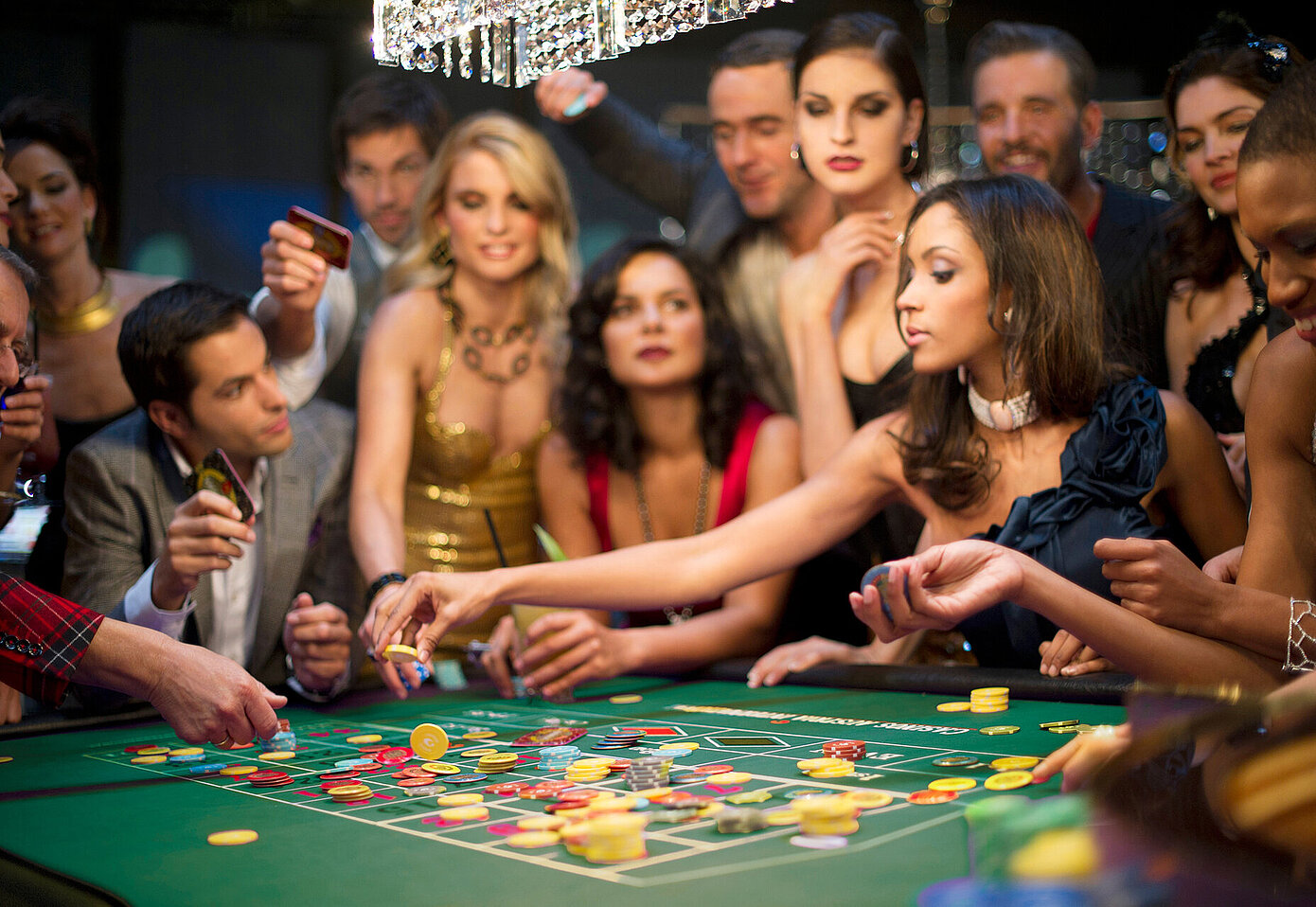
The specific choice of colors can also influence the perceived value of games and amenities. Bright colors may highlight high-stakes games, drawing players’ attention to those areas. Meanwhile, subtle and muted hues in less prominent areas can make them feel understated, encouraging guests to explore and discover features they might otherwise overlook. By leveraging color psychology, casinos can direct the flow of player activity and improve their overall experience.
The Impact of Game Design on Player Behavior
Game design is crucial to understanding the psychology behind casino experiences. Each game is carefully designed to balance skill and chance, keeping players engaged while fostering a sense of control over the outcome. For example, games that require skill, such as poker, often attract players who enjoy strategizing, while games of pure chance, like slots, cater to those seeking excitement and unpredictability. This diversity in gaming options allows casinos to attract a broader audience, each motivated by different psychological factors.
The use of rewards and incentives in game design also plays a pivotal role in player retention. Features such as loyalty programs, bonuses, and jackpots create a compelling reason for players to return. The anticipation of winning a jackpot or unlocking a new level fuels continued engagement, making players more likely to spend additional time and money within the casino. This reward system taps into the psychological principle of variable reinforcement, where unpredictable rewards can lead to increased gambling behavior.
Furthermore, the design and visual appeal of games are tailored to create an engaging experience. High-quality graphics, eye-catching animations, and immersive storytelling are employed to captivate players. This careful attention to detail ensures that games are not only enjoyable but also memorable, contributing to a player’s desire to keep coming back. By understanding player psychology, casinos can offer compelling experiences that keep guests entertained and returning for more.
The Layout and Flow of Casino Spaces
The physical layout of a casino is a significant factor influencing player behavior and psychology. Designers carefully plan the arrangement of gaming tables, slot machines, and dining areas to create a seamless flow that maximizes exposure to various gaming experiences. This strategic layout ensures that guests are continually engaged, as they are led from one area to another, often in ways that encourage spontaneous decisions to play.

Compounding this experience is the concept of gambling paths—design routes that guide visitors through the casino in a manner that minimizes disruption and emphasizes exploration. By creating pathways that loop back on themselves or lead to exciting new areas, casinos can enhance the feeling of discovery, which can stimulate curiosity and prompt guests to try their luck at different games. This psychological strategy heightens engagement while promoting social interaction, as guests may be inclined to move together in groups.
The integration of amenities such as bars, restaurants, and lounges within the gaming floor further enriches the atmosphere and encourages longer visits. By providing comfortable and inviting areas for players to take breaks, casinos can maintain player enthusiasm and increase their likelihood of spending more time—and money—inside the venue. This holistic approach to layout design recognizes the multifaceted aspects of entertainment, ensuring that guests enjoy a well-rounded experience.
Understanding the Psychology Behind Casino Marketing
Marketing strategies within the casino industry are deeply rooted in psychological principles aimed at appealing to prospective visitors. By understanding the motivations and desires of their target audiences, casinos can craft marketing campaigns that resonate with potential players. For instance, emphasizing the thrill of winning through engaging advertisements can stimulate excitement and draw people to the venue, while showcasing unique experiences can attract a diverse clientele.
The use of testimonials and success stories is also an effective marketing tactic. Highlighting big winners or satisfied customers can create an aspirational perception surrounding the casino experience. This social proof can influence potential guests by instilling a belief that they too could win or enjoy a memorable experience, enhancing the allure of visiting the casino. By leveraging psychological triggers such as fear of missing out (FOMO), casinos can create urgency in their marketing messages, encouraging immediate action.
Furthermore, the incorporation of loyalty programs and exclusive memberships reinforces an emotional bond between the players and the casino. By offering tailored promotions and personalized experiences, casinos tap into the psychological principle of belonging, making players feel valued and appreciated. This fosters loyalty, prompting players to return and continue engaging with the casino. Ultimately, the psychology of marketing within casinos is multifaceted, intertwining emotions and incentives to create compelling outreach strategies.