The Allure of Gambling
The instant gratification associated with gambling is a significant factor that draws players into casinos. The environment is designed to be thrilling and immersive, with vibrant lights, sounds of ringing coins, and the excitement of winning big. This creates a euphoric atmosphere that entices individuals to partake in games of chance, generating an emotional high that can sometimes lead to compulsive behavior. The unpredictability of outcomes is another compelling aspect; it keeps players on the edge of their seats, eagerly anticipating the next roll of the dice or spin of the wheel, which fuels their desire to continue playing at sports betting sites that offer diverse options for wagering.
Moreover, the social aspect of gambling cannot be understated. Casinos often foster a communal environment, where players cheer each other on or lament together after losses. This social interaction can create a sense of belonging and camaraderie that enhances the overall experience. For some individuals, particularly those feeling isolated or lonely, the casino becomes a haven for social engagement, providing a space where they can connect with others. This blend of excitement and socialization is a potent mix that captivates many players, making it difficult for them to resist returning to the gaming floor.
Understanding the psychological mechanics behind gambling suggests that it taps into the fundamental human desire for reward and achievement. The brain releases dopamine when we win, reinforcing the behavior and creating a desire to repeat it. This positive reinforcement can lead to a cycle where players return frequently, seeking the same rush of excitement that can sometimes overshadow the potential risks involved in gambling. The allure of gambling is thus not merely a matter of chance but a complex interaction of psychological triggers that can be both exhilarating and perilous.
The Role of Risk and Reward
Risk-taking is a central theme in the psychology of casino players. The thrill of potentially losing everything can be just as enticing as the chance to win a fortune. Many players consciously or subconsciously evaluate their risk tolerance, weighing the potential highs against the lows. This dynamic is particularly evident in games like poker, where skill and strategy interplay with luck, leading players to engage deeply with their games. The excitement of making calculated risks can provide a sense of control that appeals to many gamblers, making the act of wagering feel like a personal challenge rather than mere chance.
Interestingly, the concept of loss aversion plays a crucial role in gambling. According to psychological research, individuals tend to feel the pain of losses more acutely than the pleasure of equivalent gains. This phenomenon encourages players to chase their losses, believing that they can regain what they lost. This behavior can lead to extended gambling sessions, where the hope of recouping losses drives players to invest even more time and resources than they initially intended. Such a cycle can result in financial and emotional turmoil, as players find themselves caught in the relentless pursuit of redemption.

The psychology of intermittent reinforcement further complicates the relationship players have with gambling. When wins come sporadically rather than consistently, players can become hooked, as they anticipate the next win. This unpredictability leverages the brain's reward system, reinforcing continued play even amidst significant losses. The alignment of risk and reward creates a captivating cycle that many find hard to break, leading to a complex interplay of emotions and motivations. Ultimately, understanding this dynamic is crucial for both players and those who support them in navigating the challenges of gambling behavior.
Psychological Triggers in Casino Environments
Casino environments are meticulously designed to maximize engagement and encourage prolonged play. From the layout of the gaming floor to the absence of clocks and windows, every design element serves to immerse players further into the gambling experience. This thoughtful architecture manipulates the sensory perceptions of players, welcoming them into a world where time is suspended, and the outside world fades away. The result can be an overwhelming desire to continue playing, often at the expense of one's better judgment. This sensory overload can create an almost dreamlike state, making it easier for players to lose track of time and money.
Additionally, the use of rewards systems, such as loyalty programs and complimentary items, plays a psychological role in maintaining a player's interest. These incentives create a sense of entitlement and belonging, encouraging players to return frequently to the casino to earn rewards. This strategy is particularly effective in building rapport between the establishment and the gamer, as players feel valued and appreciated. The psychological impact of these rewards strengthens the connection to the casino and encourages repeat visits, solidifying the establishment's role in the player's routine.
Moreover, the concept of ‘status’ in gaming can also be appealing. Many players seek to achieve higher levels within loyalty programs or engage in high-stakes games that elevate their standing among peers. This gambling hierarchy can motivate individuals to play beyond their financial limits, spurred by the desire for recognition and validation from others. The social status associated with gambling success can lead to an identity that intertwines with the player’s self-worth, complicating their relationship with the games they play. This aspect of gaming creates a social dynamic that can be both motivating and damaging, as players navigate the fine line between enjoyment and obsession.
The Impact of Emotion on Gambling Behavior
Emotions play a significant role in shaping the behaviors of casino players. Many individuals gamble as a way to escape from reality, using it as a coping mechanism for stress, anxiety, or depression. The casino environment becomes a distraction from daily life challenges, providing a temporary reprieve from worries. However, this emotional reliance on gambling can lead to a dangerous cycle where the player turns to gambling each time they face negative emotions, reinforcing unhealthy coping strategies. Over time, this can create a dependency that is difficult to break, as gambling becomes intertwined with emotional well-being.
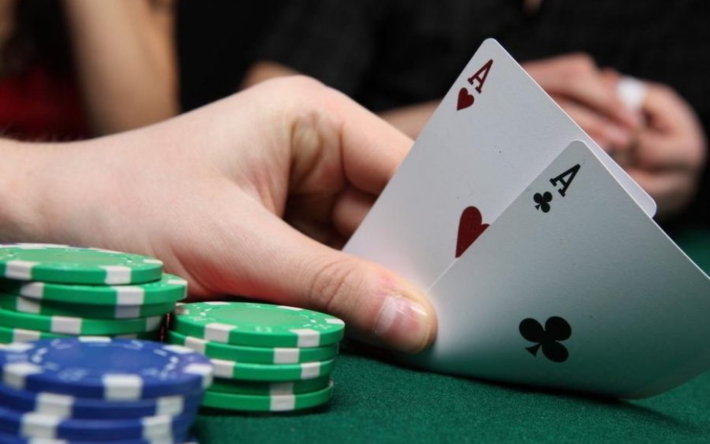
Furthermore, the emotional highs and lows associated with gambling can create a rollercoaster experience that players become addicted to. The moments of elation during big wins are often followed by despair in the face of losses, leading to an emotional experience that is hard to replicate elsewhere. This emotional volatility can keep players engaged, as they chase the high of winning and attempt to mitigate the lows of losing. The thrill of victory and the agony of defeat serve to heighten emotional responses, making the gambling experience rich in psychological complexity.
Another aspect of the emotional component of gambling is the community aspect described earlier. Players often form bonds with fellow gamblers, sharing experiences, joys, and losses. This camaraderie can amplify the emotional intensity of their gambling experiences, creating a shared journey through peaks and valleys. The relationships formed in this vulnerable space can act as both a supportive network and a compounding factor in encouraging continued play, making it an integral part of the gambling experience. As these social ties deepen, they can further entrench players in their gambling habits, blurring the lines between leisure and dependence.
Your Resource for Understanding Casino Psychology
By exploring the psychology of casino players, we can gain valuable insights into the motivations, behaviors, and emotional triggers that drive individuals to gamble. This understanding not only offers a deeper appreciation for the complexities of gambling behavior but also serves as a resource for those looking to manage their own gambling habits. Recognizing the psychological nuances behind this activity can empower players to make more informed decisions regarding their gaming practices, fostering a healthier relationship with gambling.
Whether you're a casual player or someone who enjoys the thrill of high-stakes games, being aware of the psychological influences at play can foster a healthier relationship with gambling. Our resource provides insights into responsible gaming practices, encourages self-reflection, and promotes mindful engagement in the casino environment. This knowledge can help individuals strike a balance between enjoyment and caution, ensuring a fun and safe gaming experience that prioritizes mental well-being.
In conclusion, understanding the psychology of casino players opens up discussions surrounding responsible gambling and emotional well-being. As society continues to navigate the complex interplay between entertainment and addiction, resources are vital in fostering awareness. This understanding not only aids individual players but can also contribute to a broader conversation on the importance of responsible gaming practices in our communities, urging everyone to remain mindful of the psychological factors that can influence their gaming experiences.